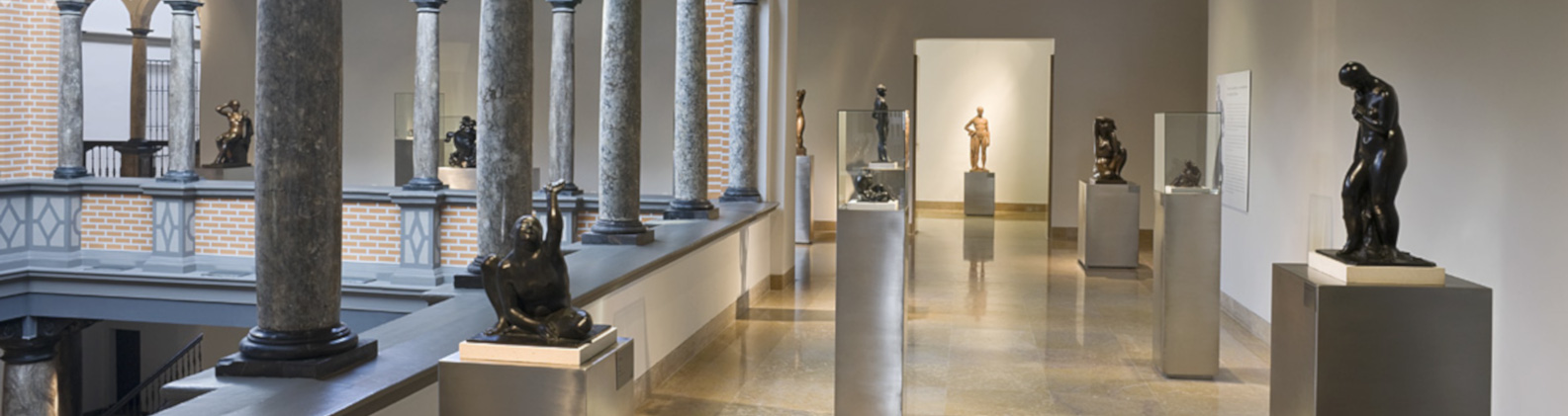
Como fácilmente puede imaginarse, en un proyecto de este tipo, planteado y desarrollado con todo entusiasmo y, si cabe, mayor rigor, las improvisaciones quedan excluidas de antemano, lógicamente en beneficio e interés de los resultados que se pretende conseguir. Por ello, las colecciones del Museo Pablo Gargallo están formadas con la evidente intencionalidad de reunir, hasta donde sea posible, un conjunto verdaderamente representativo de la producción del artista, de modo que tanto la selección de las obras incluidas en el Contrato fundacional y en el subsiguiente incremento de las previsiones contenidas en el mismo como todas las adquisiciones posteriores, por unos u otros procedimientos, se han realizado con esa misma finalidad, eligiendo en ocasiones determinadas obras que permitían incluir o mejorar un aspecto o periodo de la trayectoria de Gargallo, y prescindiendo momentáneamente (nunca, por supuesto, de modo definitivo, sino sólo obligados por las limitaciones de esa circunstancia concreta) de otras menos necesarias en el proyecto de completar, diversificar y categorizar el conjunto.
De acuerdo con esos planteamientos, las colecciones cuentan con piezas pertenecientes a todas las épocas y todas las tendencias de la producción de Gargallo, estando también representadas casi todas las temáticas que fueron objeto de sus trabajos y la mayor parte de los materiales y técnicas que utilizó para la ejecución de los mismos.
A diferencia de lo que ocurre con los dibujos, según veremos más adelante, el Museo Pablo Gargallo sólo cuenta con una escultura de los años de formación del artista, la escayola
Virgen
, ca. 1894, aunque la representación es mucho más extensa y completa cuando se trata del periodo en que inicia y consolida su independencia profesional, desde 1904 hasta 1910-11, al que pertenecen
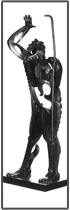
La Bestia del Hombre
,
Los humildes
, y
La pareja
, todas de 1904,
El amor
, ca. 1906,
Enrique Borrás
, 1906 (modelo para medalla, única muestra de esta especialidad en las colecciones del Museo),
Retrato de la señorita Sureda
, ca. 1907, piezas que ofrecen características naturalistas y expresionistas (en línea con las corrientes de exaltación del realismo social que despuntaban en la Europa del momento), pero también simbolistas y modernistas, por utilizar adjetivos de identificación aproximada. A esta fugaz etapa de transición, influida por algunos autores del centro y norte de Europa, le siguió un corto pero apasionante periodo de búsqueda y afianzamiento de una personalidad creativa que muy pronto se revelaría extraordinariamente singular, con esculturas tan excelentes, depuradas y sintéticas como
Pequeña voluptuosidad arrodillada
, 1907, su ampliación parcial
Cabeza inclinada de mujer
, 1908, y la sugerente
Pequeña faunesa de pie
, 1908, que señalan ya el claro dominio de unos recursos expresivos propios y diferenciados.
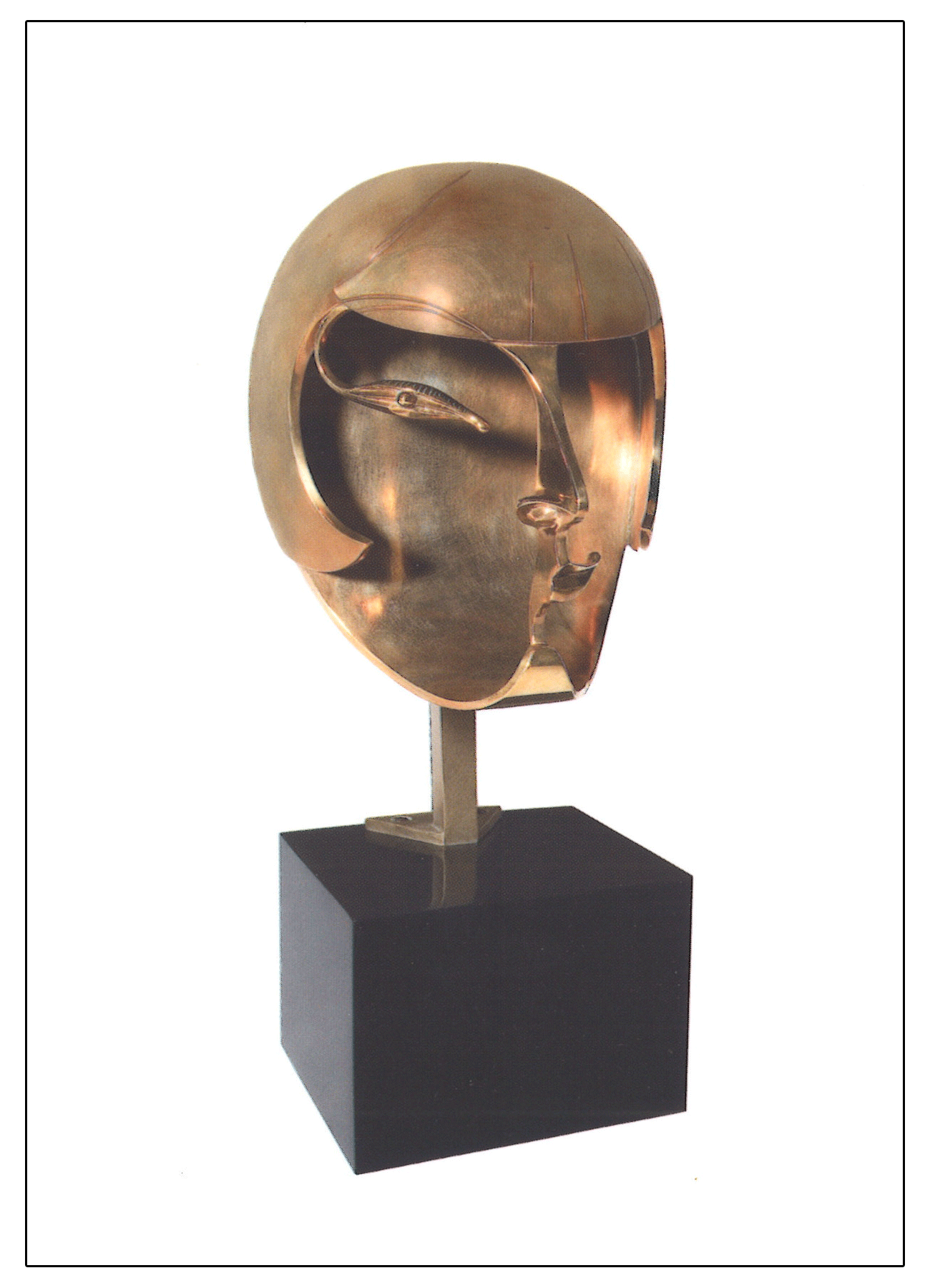
El definitivo impulso de las crecientes inquietudes innovadoras de Gargallo se produce a partir de 1910-11 con el comienzo de la primera época del cobre, que se prolongará hasta 1920-21 y está caracterizada por la ejecución de máscaras y cabezas en chapa metálica -especialmente cobre, aunque también hierro-, cuya estructura es siempre convexa y de las que son inmejorables ejemplos
La risa
y la serie de
Faunos y Faunesas
, todas de ca. 1915. Pero al tiempo que construye sus excepcionales obras en chapa metálica, no abandona la otra tendencia de su trabajo, de manera que, a partir de una talla en piedra y bulto redondo del mismo año, ejecuta la
Máscara de Picasso
, 1913, modelada para fundir bronces, camino que seguirá también con el
Retrato de la señora Grant
, 1913, sin duda influido por las máscaras en chapa, como se demuestra con la incorporación al mismo de ciertos recursos expresivos y significantes (vaciado de ojos y boca, caligrafía de las pestañas) propios de éstas. Aunque existían algunos antecedentes, durante 1915 y 1916 desarrolla su interesante faceta de orfebre -realizando alfileres, broches, colgantes, anillos en plata, oro, hierro-, disciplina representada en el Museo con las piezas
Colgante
, 1915, y
Anillo
, 1916, y se consolida como repujador de pequeños bajorrelieves -en placa de latón, hierro y cobre- tan excelentes como
Mujer peinándose
, ca. 1916,
Caín
,
Desnudo femenino en pie
,
Mujer tumbada sobre la mies
,
Pequeña maternidad
y
Retrato de Magali
, todos de 1916, en los que aparecen sus temas preferidos y las características formales que identifican obras anteriores, cuando no anuncian los rasgos definitorios de próximas realizaciones. Siguiendo una línea que mantuvo a lo largo de toda su trayectoria, no deja de cultivar la faceta clasicista de su escultura, depurando y esencializando un lenguaje tan moderno como personal, con el que logra insuperables y emocionantes ejemplos de representación de la figura humana, de lo que puede ser buena muestra el vigoroso
Pastor
, 1917-18.
Antes de concluir
la primera época del cobre
, a partir de 1920 y hasta 1923 Gargallo desarrolla el fundamental
intermedio del plomo
, que dará lugar, con esculturas construidas en chapa de plomo, caso del
Retrato de Ángel [Fernández] de Soto
, 1920, la
Joven española
y el
Galgo
, ambas de 1921, pero también modeladas para fundir bronces -entre otras, la Maternidad de 1922-, al decisivo modelado o construcción en negativo, mediante el cual suprime buena parte de las masas volumétricas (según puede comprobarse en obras tan decisivas como
Mujer sentada
, 1922, y
Mujer acostada
, 1923) utilizando el hueco y la reflexión de la luz para inducir la recreación visual de las mismas, técnica cuyo posterior desarrollo dará lugar a la revolucionaria incorporación del vacío total como elemento escultórico.
A partir de 1924, Gargallo se instalará definitivamente en París, donde había residido entre 1912 y 1915 y donde transcurrirán los últimos diez años de su vida. En el periodo de transición entre Barcelona y París comienza la
segunda época del cobre
y avanza en la otra tendencia de su trabajo escultórico, la representación clasicista y rigurosamente moderna de la figura humana, motivo fundamental en el conjunto de su obra, con independencia de los materiales y lenguajes utilizados en las distintas épocas. En estos años de consolidación formal talla en piedra el excepcional
Torso de gitanillo
, 1923 (luego modificado para fundir bronces), y modela sus dos Bañista (
cabeza baja
y
cabeza levantada
), y la casi exótica
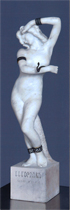
Esclava
, todas ellas de 1924, al tiempo que realiza los retratos de tres de sus mejores amigos -
Retrato del doctor Reventós
y
Retrato de Maurice Raynal
, ambos de 1923, y
Retrato del pintor Xavier Nogués
, 1924-, que son inmejorables ejemplos de esta poco frecuente faceta de su obra.
La
segunda época del cobre
, iniciada en 1923-24, se caracteriza por la utilización habitual de plantillas de cartón recortado (que Gargallo emplea como patrones para diseñar, trazar y recortar las piezas con que luego construirá las esculturas en chapa metálica), por la aparición de figuras de cuerpo entero, progresivamente de mayor tamaño y complejidad (es decir, más esenciales y sintéticas) y por la modificación estructural de todas las esculturas, que pasan a ser cóncavas, cambio especialmente significativo en el caso de las cabezas y las máscaras -construidas ahora con mucho más hueco que materia y generando volúmenes con los fragmentarios límites del vacío-, entre las que sólo existe una excepción, la melancólica y misteriosa
Pequeña máscara de Pierrot
, 1927, que sigue siendo convexa. El uso de las plantillas de cartón le permite realizar varias versiones (todas distintas -porque presentan diferencias de diversa naturaleza- y todas piezas únicas) de algunas esculturas tan significativas como
Romántica
, 1929. Si con las sugerentes
Aguadoras
, 1925, y
El joven de la margarita
y la
Maternidad
de 1927 mantiene Gargallo en esta época una dedicación casi testimonial a la tendencia clasicista de su trabajo, con la exquisita
Kiki de Montparnasse
, 1928, ensaya la utilización de otros materiales y procedimientos para sus cada día más sorprendentes y eficaces avances en el uso del vacío y las sinécdoques visuales, trasladando, por primera y única vez, a una máscara modelada y fundida en bronce los recursos formales y el revolucionario lenguaje constructivo -elisión fragmentada- de sus máscaras en chapa metálica.
En el último tramo de la
segunda época del cobre
Pablo recibirá desde Barcelona sendos encargos de obras monumentales: tres para la plaza de Cataluña (
El pastor de la flauta
y
La vendimiadora
, ambas de 1928, en piedra -de cuyas maquetas previas, datadas en 1927, existe ejemplar en bronce en el Museo- y
El pastor del águila
, 1928, en bronce, cuyo segundo ejemplar pertenece también al Museo, aunque está instalado al aire libre en la calle Alfonso I, esquina calle Candalija); y cuatro para el estadio olímpico de Montjuich (los dos jinetes en bronce que forman el
Saludo olímpico
:
El atleta clásico
y
El atleta moderno
, 1929 -cuyos segundos ejemplares están instalados ante la fachada del Museo, que también cuenta con la maqueta de la montura, Caballito, 1927-28, y el Torso de jinete, 1928-29, del atleta moderno-, y las dos bigas en piedra artificial -
Auriga femenino
y
Auriga masculino
- de las que las maquetas en escayola de tres de sus caballos, y los bronces de cada una de ellas -
Caballo, I, II y III
, 1927-28-, forman parte de las colecciones del Museo, que así muestra una interesante representación de los trabajos monumentales de Gargallo.
A partir de 1929, sin abandonar la realización de esculturas en bronce y en chapa de cobre y dedicando más atención al carácter y la entidad de sus dibujos, Gargallo inicia la
época del hierro
, que se prolongará hasta 1934 y a lo largo de la cual no sólo modelará un importantísimo conjunto de esculturas de carácter clasicista, cada vez más depuradas en su rigurosa y compleja sencillez, como bien demuestran la
Pequeña maternidad
, 1931,
Baño de sol
, 1932,
Eco
, 1933,
Academia
, 1933-34,
Torso de adolescente
, 1933-34,
Muchacho en la playa
, 1934,
Mujer del espejo
, 1934, sino que también ejecutará, con ayuda de las plantillas de cartón que venía utilizando, sus principales obras en chapa y plancha de hierro, realizadas con una extraordinaria economía de medios expresivos y un uso certero del vacio, las líneas de fuerza y los elementos fragmentarios, como se demuestra en la sólida pero casi
transparente
cabeza del
Hommage a Chagall
, 1933, y el ligero cuanto esquemático
David
, 1934, lo que también sucede con los bronces de
Pequeña bacante con hoja
, 1932,
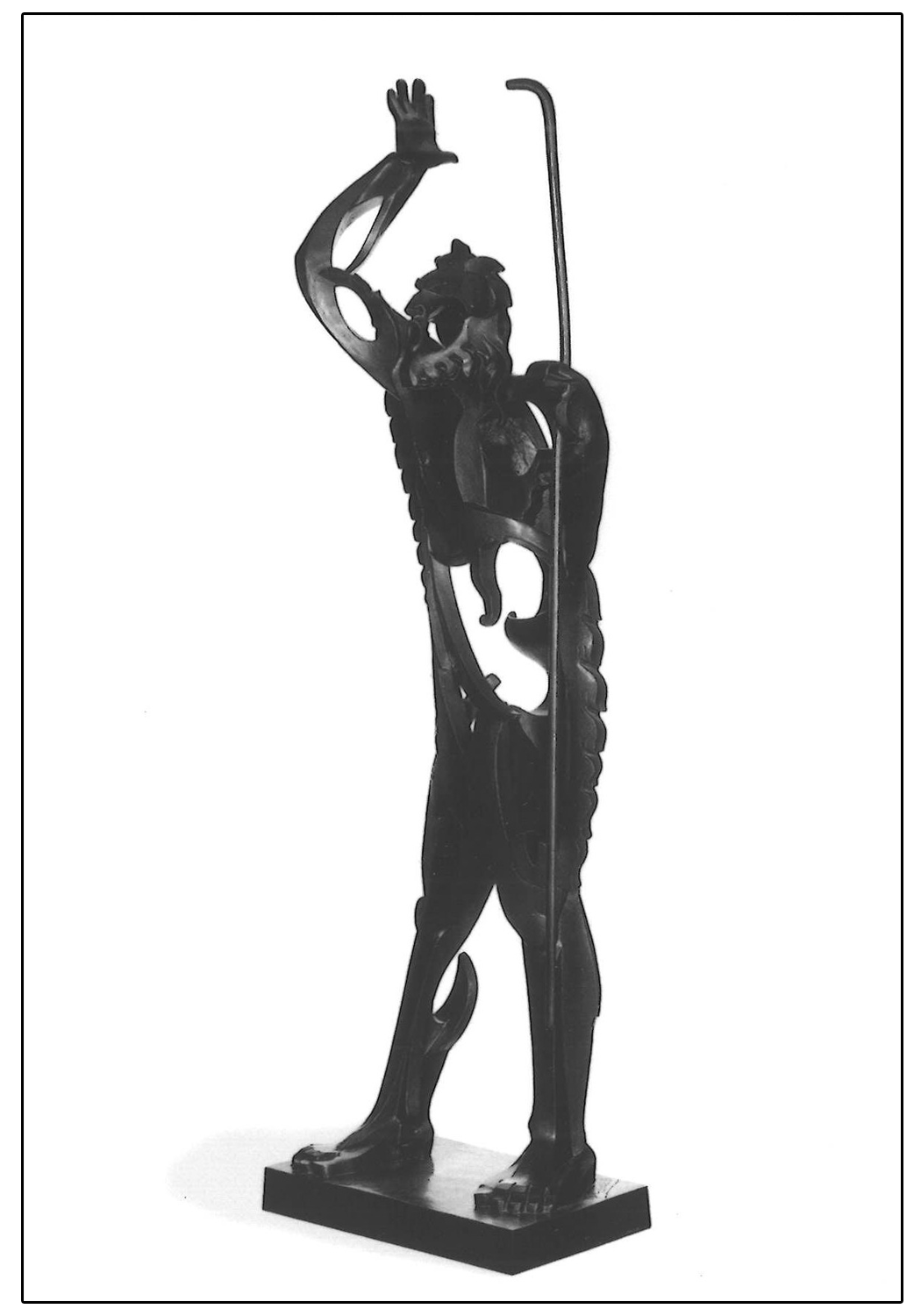
Gran profeta
, 1933, y
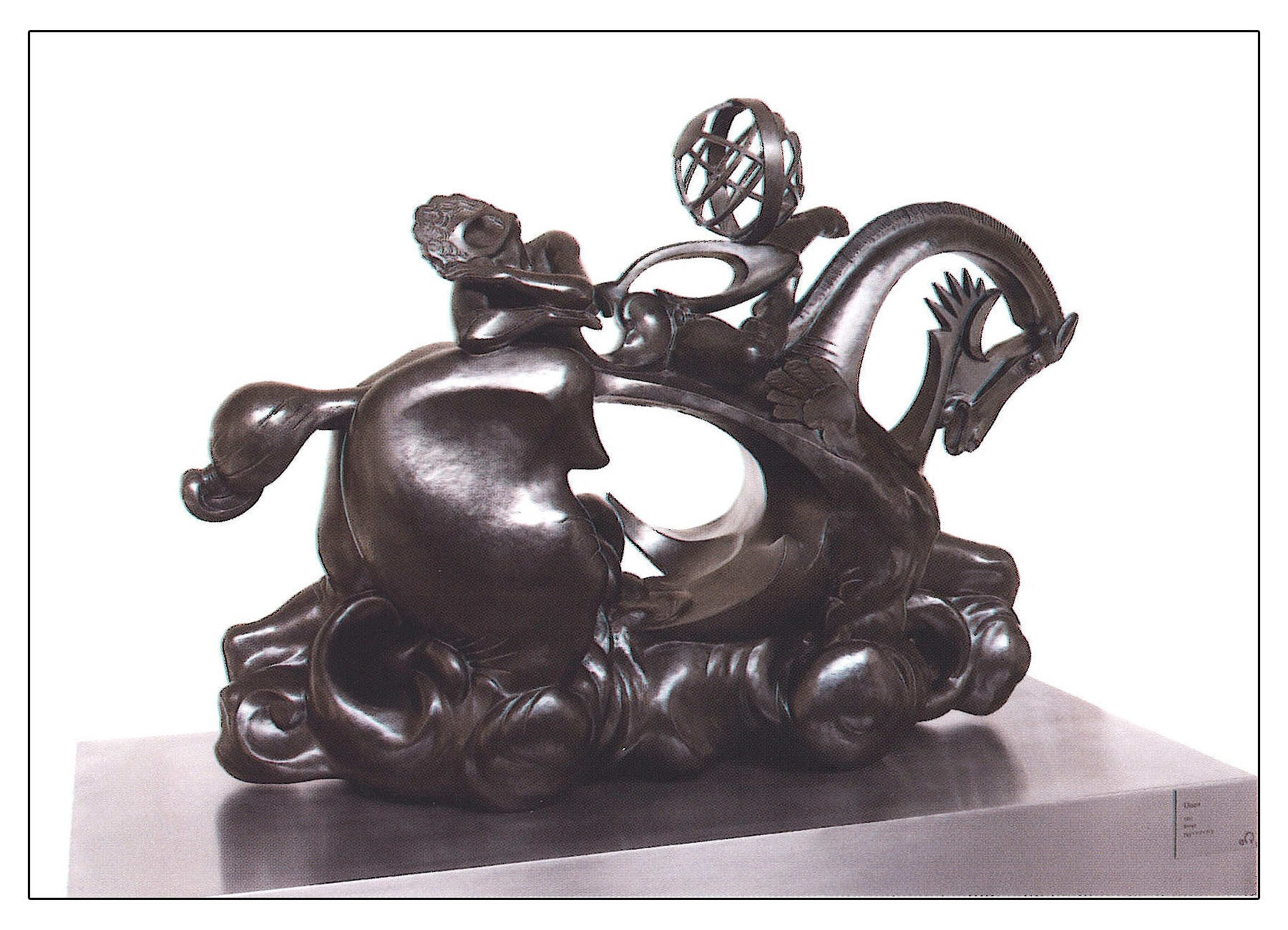
Urano
, 1933, que son cifra y resumen de la mayor parte de sus inquietudes y sus logros artísticos, incluida la definitiva consolidación del vacío como fundamental elemento compositivo, estructural y volumétrico.
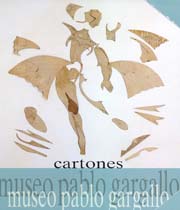
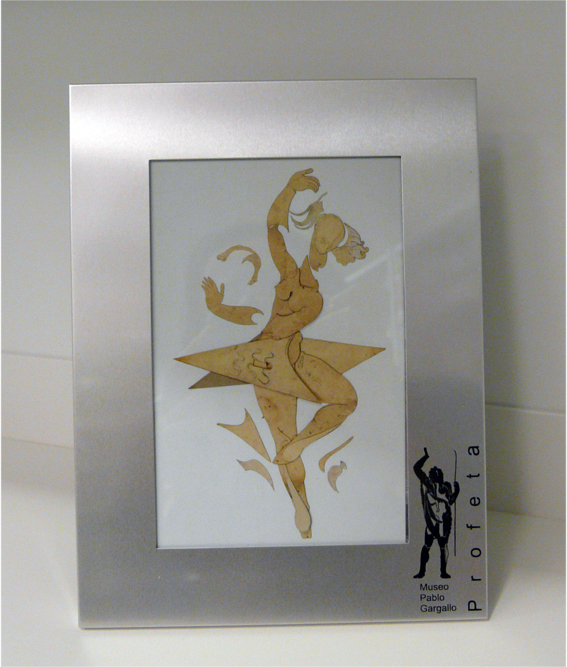
En cuanto a los cartones (nunca expuestos antes de formar parte de las colecciones del Museo, cuyo papel ha sido decisivo en el proceso de reconocimiento del gran interés conceptual y artístico de estas singulares herramientas de trabajo, que además de su trascendente significado procesual reúnen y atesoran extraordinarios valores didácticos), la representación se limita, puesto que comenzó a usarlos en la segunda mitad de los años veinte, a los dos últimos lustros de su vida, por lo que incluye piezas pertenecientes a la segunda época del cobre y a la época del hierro, abarcando toda la gama de posibilidades: los conjuntos aparentemente más simples y fieles al resultado final -
Buey
,
Gallo
,
Insignificante
, los tres de 1930-, la complejidad de los detalles reiterados -
Bailarina
, 1930-, los ejemplos vinculados a obras que cuentan con más de una versión, concluida o no -
Pequeña bailarina española
, 1927,
Gran bailarina
, 1929,
Pequeña bacante reclinada
, 1929,
Greta Garbo con sombrero
, 1931-, y los cartones correspondientes a esculturas hoy no localizadas y a otras que nunca llegó a realizar -
Violonchelista
, 1931,
Gran violonchelista
, ca. 1933-, que son, además, representación óptima de los proyectos de ampliación, a veces materializados -
Pequeño arlequín con flauta
y
Gran arlequín
, ambos de 1931- y a veces no, de obras anteriores.
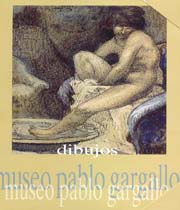
El desarrollo y la evolución de la obra dibujada de Gargallo pueden seguirse perfectamente a través de la colección de dibujos que conserva el Museo, comenzando desde los primeros momentos de su formación, es decir, cuando todavía adolescente y alumno de la Lonja ejercitaba sus precoces capacidades realizando
academias
tan destacables como
Venus
y
El niño del cordero
, datadas ca. 1896. A lo largo del último lustro de ese siglo Pablo dibujará de modo cotidiano, tomando apuntes del natural, muchas veces en la calle y otros espacios públicos, generalmente al carbón y en ocasiones con apoyo del pastel, de lo que son buen ejemplo
Personajes hablando, uno se aleja
, ca. 1896,
Viejecita con paraguas
, ca. 1896, y
El palco
, ca. 1898. Al propio tiempo está ensayando su faceta de retratista, consigo mismo y con personas de su entorno, en obras como
Retrato de Joan Canellas
, ca. 1896-97,
Ramonet
visto por debajo, ca. 1897, y
Retrato de Ceferino Pallás
, ca. 1898, si bien otras veces ignoramos la identidad concreta de la persona retratada, según sucede con
Cabeza de mujer
, ca. 1897,
Cara de joven, con bigote
, ca. 1898,
Jovencita con lazo
, ca. 1898, y
Retrato de joven, con gafas
, ca. 1900. Con el inicio del nuevo siglo y de la consolidación de las cualidades profesionales de Gargallo, se reduce el número de sus dibujos (al menos de los conservados), que denotan una mayor complejidad y riqueza, caso del pictórico carbón y pastel
En Nogueras
, 1900, o de su
Autorretrato con pipa
, 1901, mientras se sirve con mayor frecuencia de la acuarela y la tinta, que utilizará con pincel pero sobre todo mediante pluma, como en la muy moderna imagen acuarelada del
Desnudo de muchacha rubia
, 1900.
El primer viaje a París en 1903 supondrá para Pablo el descubrimiento de un nuevo mundo de posibilidades, en el que jugarán un notable papel las relativas influencias de ciertos autores del centro y el norte de Europa, según puede apreciarse en algunos dibujos del momento, como los cuatro Estudio para El
Juicio Final
, 1903, y
Cabeza de mujer
, ca. 1904. Durante la primera década del siglo lo más destacable será un reducido conjunto de tintas, por lo general con acuarela y gouache, dedicadas sobre todo a representar desnudos femeninos de excepcional belleza, datables de 1909, grupo al que pertenece
Mujer secándose
, ca. 1909. Desde 1910 hasta mitad de los años veinte la producción de dibujos disminuye de nuevo, quizá porque está más dedicado al trabajo escultórico, de tal modo que buena parte de los conservados, como
Mujer con cántaro
, 1920, y
Atleta
, 1926, tienen relación con esculturas realizadas años después. A partir de este momento se incrementa el número de los dibujos y su autonomía, si bien el tema de algunas piezas es muy habitual y reiterado en este periodo, caso de la
Bailarina
, 1930. Entre los más notables dibujos fechados en los años treinta, sobresalen las cuatro versiones de
Caballos
, 1930, y varios pasteles de cualidades muy pictóricas, como las
Bañistas
, 1932, motivo también frecuente desde mitad de la década anterior. El resto de los dibujos son estudios o apuntes previos para esculturas y permiten acercarse al modo que tenía Pablo de representar sobre el papel sus obras en tres dimensiones, de manera que tanto los dos Apunte para
Academia
como los tres Estudio para
Muchacho en la playa
y el Boceto para
Eco, II
, todos de 1933, completan una visión extensa y representativa de la producción de Gargallo en su faceta de dibujante, cuyo conocimiento es imprescindible para comprender y valorar la totalidad de su obra.
Por lo referido a la escasa incidencia de la producción de Gargallo en el campo del grabado, el Museo conserva y expone las planchas originales (y un ejemplar de la edición de tres de ellas) de cuatro puntas secas -
Autorretrato
,
Bailarina
,
Cabeza de arlequín
,
Desnudo femenino (Bañista)
, todas de 1928-, única obra grabada que debió realizar y en la que se manifiesta fiel a sus concepciones formales e intereses temáticos.

 Localización y Horarios



 Accesible